

Navigating Global Commodity MarketsThrough Insight and Opportunity
Commodity markets are among the most powerful forces shaping the global economy. Their influence extends far beyond supply and demand, affecting inflation, capital flows, industrial competitiveness, infrastructure investment and the pace of economic development worldwide. As global markets become increasingly interconnected, commodities have evolved from cyclical assets into strategic indicators of geopolitical change, technological progress and long-term investment opportunity.
At GFH, we believe that understanding commodity markets is fundamental to understanding where the global economy is heading. Through our investments across infrastructure, industrial services, logistics and real assets, we witness first-hand how commodity cycles influence investment decisions, business performance and long-term value creation. This perspective enables us to provide informed insights that help investors navigate changing market conditions while identifying opportunities supported by enduring structural trends.
Rather than viewing commodities as standalone asset classes, GFH sees them as interconnected drivers of global investment. Our analysis extends beyond short-term price movements to examine the economic, geopolitical and technological forces reshaping demand, supply and capital allocation. By combining macroeconomic research with practical investment experience across multiple sectors, we seek to identify the long-term trends that will define tomorrow’s investment landscape.
Energy markets are entering a new phase of structural transformation. While oil and natural gas remain central to global economic activity, investment decisions are increasingly influenced by energy security, changing consumption patterns, technological innovation and the transition towards lower-carbon economies. These developments are reshaping global supply chains, infrastructure requirements and capital deployment across both developed and emerging markets. History has shown that periods of elevated energy prices often accelerate innovation, encourage new sources of supply and reshape long-term demand, reinforcing the dynamic nature of global energy markets.
Energy Trends, Investment Opportunities
For investors, the implications extend well beyond commodity prices. Energy trends influence industrial production, logistics, transportation, manufacturing and infrastructure investment, sectors that continue to form an important part of GFH's long-term investment strategy. As an active investor in infrastructure and industrial assets, we continuously assess how evolving energy markets create opportunities across resilient sectors that support sustainable economic growth.
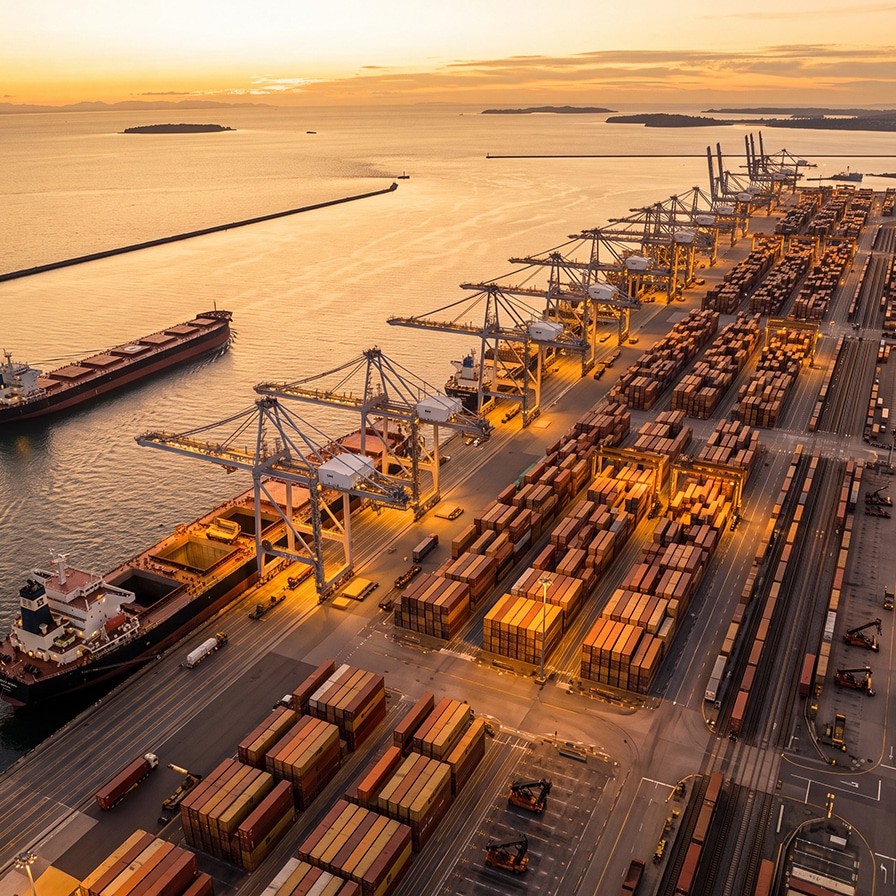
Industrial metals have become increasingly strategic as the global economy undergoes rapid transformation. Copper, aluminium and other critical materials form the foundation of renewable energy systems, electric mobility, digital infrastructure and advanced manufacturing. As governments and businesses accelerate investment in electrification, grid modernisation and artificial intelligence infrastructure, demand for these materials is expected to remain structurally supported for years to come. At the same time, supply constraints, permitting challenges and the significant capital required to develop new production capacity continue to reinforce the strategic importance of these resources.
This investment theme aligns closely with GFH’s long-term strategy. Our investment in Byrne Equipment Rental, one of the region’s leading industrial equipment providers, reflects our conviction that businesses supporting construction, logistics, industrial development and major infrastructure projects will continue to benefit from these structural trends. By enabling some of the GCC’s largest industrial and infrastructure developments, Byrne exemplifies the types of resilient businesses that stand to create sustainable value throughout evolving commodity cycles.
Precious metals continue to play an important role within diversified investment portfolios. Gold and silver have historically served as stores of value during periods of economic uncertainty while benefiting from long-term demand driven by central banks, institutional investors and industrial applications. Their performance is influenced by a combination of monetary policy, inflation expectations, currency movements and geopolitical developments, making them important indicators of broader market sentiment as well as valuable portfolio diversifiers.
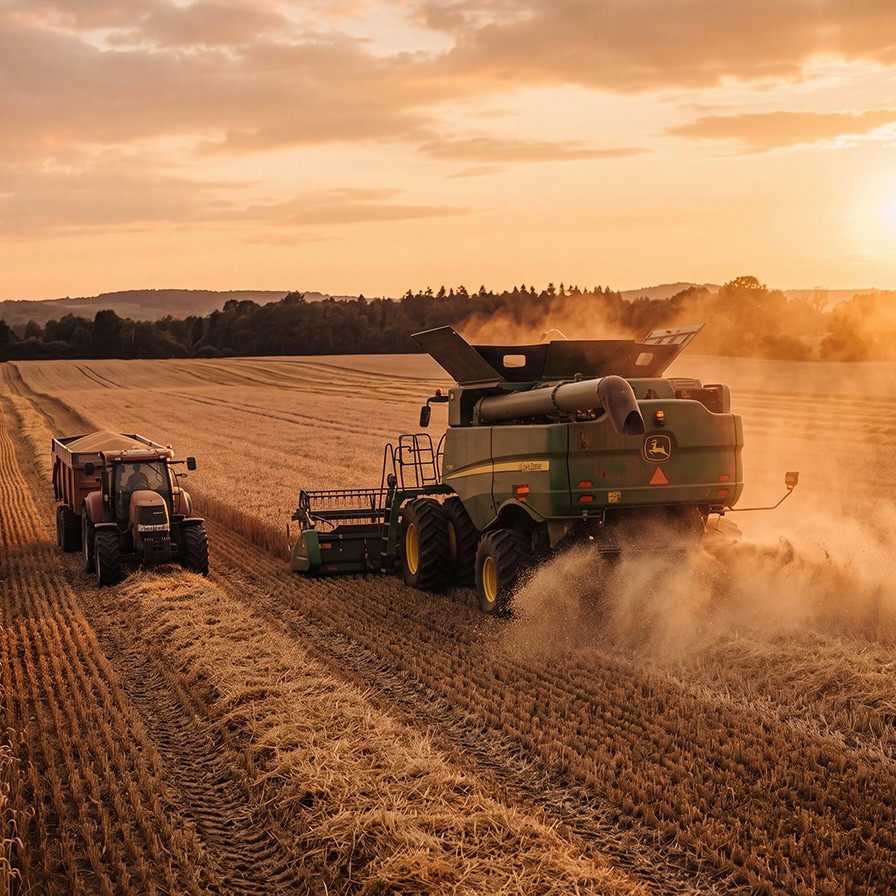
Agricultural commodities remain equally significant, underpinning global food security, industrial production and the resilience of international supply chains. Evolving climate conditions, advances in agricultural technology, shifting consumption patterns and the growing role of biofuels continue to reshape global production and trade. These developments reinforce the importance of sustainable agricultural systems and highlight the critical role of resource security in supporting long-term economic growth.
Across every commodity sector, market dynamics are increasingly driven by structural rather than purely cyclical forces. The global energy transition, rapid expansion of artificial intelligence, continued urbanisation, supply chain diversification, infrastructure modernisation and shifting geopolitical relationships are reshaping patterns of demand and redefining where capital is deployed. These interconnected themes are creating investment opportunities that extend well beyond traditional commodity markets while reinforcing the importance of disciplined research, active investment management and long-term strategic thinking.
At GFH, these structural themes form an integral part of our investment framework. We believe that successful investing requires looking beyond market volatility to understand the underlying forces driving economic transformation. By continuously monitoring the relationships between commodities, inflation, monetary policy, technological innovation and global growth, we seek to identify opportunities that are supported by enduring economic fundamentals rather than short-term market cycles.
Commodity Trends in Practice
GFH’s understanding of commodity markets extends beyond research and analysis, it is reflected in our investment decisions. Through investments across infrastructure, logistics, industrial services and real assets, we participate in sectors that are directly influenced by global commodity trends and long-term economic development.
Our investment in Byrne Equipment Rental, together with GFH Partners’ industrial and logistics developments, demonstrates our commitment to sectors benefiting from urbanisation, infrastructure expansion, supply chain resilience and industrial growth. These investments provide valuable insight into the evolving relationship between commodities and the real economy, enabling us to better understand how structural market trends translate into long-term investment opportunities.
Looking Ahead
As global markets continue to evolve, GFH remains focused on identifying opportunities supported by sustainable demand, resilient business models and long-term economic fundamentals. Our objective is not simply to follow commodity markets, but to understand the forces shaping their future and what those forces mean for investors, businesses and economies around the world.
"Where global markets evolve, commodity insights lead, and investment opportunities follow."
Invest in What Matters