

How Can You Build a GreatReal Estate Portfolio?
Diversification, Income Durability, and Long-Term Demand
Building a resilient real estate portfolio today is no longer simply about owning property or pursuing appreciation. Increasingly, successful real estate investing depends on diversification, income durability, sector selection, and the ability to adapt to changing market conditions. The strongest portfolios are often those built around long-term structural demand drivers rather than short-term market timing.
At its core, a well-constructed portfolio should aim to balance income generation, capital preservation, inflation protection, and long-term growth. This requires diversification not only across geographies, but also across sectors, investment structures, and market cycles.
One of the most important foundations of portfolio construction is sector diversification. Different real estate sectors respond differently to economic cycles, demographic trends, and capital market conditions. As a result, portfolios concentrated in a single sector may become increasingly vulnerable to volatility, changing consumer behavior, or financing pressures.
Today, many institutional investors continue to focus on sectors supported by long-term secular trends rather than purely cyclical demand. Healthcare real estate, logistics, residential housing, student housing, and selected infrastructure-related sectors have increasingly attracted capital due to the essential nature of their underlying demand drivers.
Healthcare real estate, for example, continues to benefit from aging populations, increasing healthcare utilization, and the ongoing shift toward outpatient care delivery. According to CBRE, medical outpatient building investment volume increased significantly during 2025, while rents reached record levels supported by limited new supply and continued positive absorption. This reflects a sector where demand is often linked more closely to demographic needs than broader economic cycles.
Where Occupancy Stays Resilient
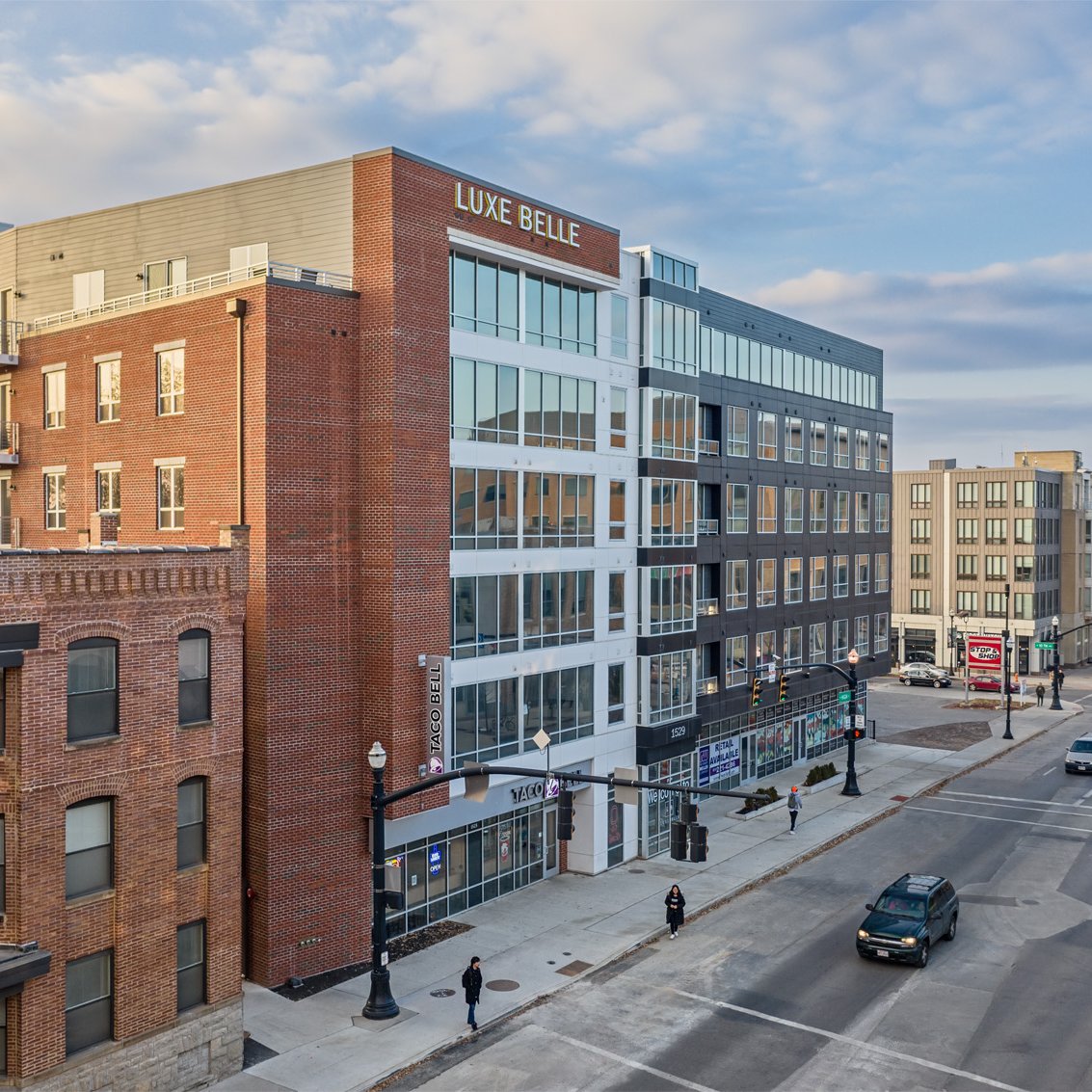
Residential and multifamily assets similarly remain supported by long-term housing demand and evolving affordability dynamics. CBRE’s Q1 2026 U.S. Multifamily report noted that vacancy rates declined to 4.8% as absorption once again exceeded new supply, while most major U.S. markets recorded positive absorption trends. These fundamentals continue to support resilient occupancy and income stability across well-positioned residential markets.
Student housing also continues to attract investor attention due to rising global university enrollment trends and the sector’s historically defensive characteristics. In many markets, supply constraints and increasing international student mobility have further strengthened long-term demand fundamentals.

Beyond sector diversification, geography also plays a critical role in portfolio resilience. Different regions and cities often experience varying economic conditions, population growth trends, regulatory environments, and capital flows. Diversifying across geographies can help reduce concentration risk while allowing investors to access different growth cycles and demand drivers.
In the United States, for example, Sun Belt markets continue to demonstrate strong population growth and real estate absorption across multiple sectors. CBRE data highlighted continued multifamily demand in markets such as Dallas, Phoenix, Austin, and Charlotte. Similarly, industrial demand remains concentrated in major logistics hubs and fast-growing distribution corridors.
Geographic diversification also increasingly includes exposure to high-growth GCC markets, particularly Saudi Arabia’s logistics sector. Supported by Vision 2030, the Kingdom continues to invest heavily in transportation infrastructure, logistics zones, and supply-chain modernization initiatives aimed at strengthening its position as a regional trade and distribution hub. Improvements in logistics infrastructure, customs digitization, and trade connectivity continue to support long-term demand for warehousing, cold storage, and distribution assets, while growing e-commerce activity, food-security initiatives, and population growth further reinforce sector fundamentals.
At the same time, opportunities are increasingly emerging internationally. European logistics markets, GCC infrastructure development, and select residential and operational real estate sectors continue to attract institutional capital seeking diversification beyond traditional gateway markets.
Importantly, diversification today also extends beyond traditional property ownership. Increasingly, institutional portfolios incorporate multiple investment types, including operating platforms, proptech exposure, real estate credit, and income-oriented strategies.
Technology and operational platforms are becoming increasingly integrated into the real estate ecosystem. Proptech businesses focused on property management, leasing, logistics optimization, and tenant experience continue to reshape how assets are operated and monetized. Exposure to these themes can provide an additional layer of diversification and long-term growth potential beyond direct property ownership alone.
Similarly, private real estate credit has emerged as an attractive opportunity during periods of elevated interest rates and tighter bank lending conditions. When financing costs rise and traditional lenders become more selective, private lenders are often able to generate attractive risk-adjusted returns with strong structural protections. CBRE’s Capital Markets report noted that alternative lenders accounted for approximately 40% of non-agency loan closings during Q4 2025, highlighting the growing importance of private credit within the broader real estate capital stack.
Another important principle in building a resilient portfolio is prioritizing income durability over reliance on appreciation alone. While capital appreciation remains an important component of long-term returns, institutional investors increasingly focus on assets capable of generating stable and growing cash flows across varying market environments.
Inflation protection has therefore become a major consideration in portfolio construction. Sectors with strong pricing power, recurring demand, and the ability to reset rents tend to provide more effective inflation hedging characteristics over time. Logistics, residential housing, healthcare, and necessity-based retail have all demonstrated varying degrees of income resilience and rent growth through different economic periods. For example, CBRE’s retail report noted continued rent growth supported by historically low new supply levels and sustained absorption trends.
Equally important is asset selection within each sector. Not all markets perform equally during periods of economic uncertainty. Successful portfolio construction often involves focusing on resilient submarkets with favorable demographic trends, strong infrastructure, diversified employment bases, and long-term tenant demand.
Looking Ahead
Ultimately, building a great real estate portfolio is less about chasing short-term trends and more about constructing a diversified platform capable of performing through multiple market cycles. A balanced approach across sectors, geographies, and investment structures—combined with a focus on resilient income and long-term fundamentals—can help investors navigate volatility while positioning portfolios for sustainable growth over time. Sources: CBRE Research Q1 2026 U.S. Industrial, Multifamily and Retail Reports; CBRE Q4 2025 Medical Outpatient Building and Capital Markets Reports.
Invest in What Matters